WHAT IS FIP DISEASE?
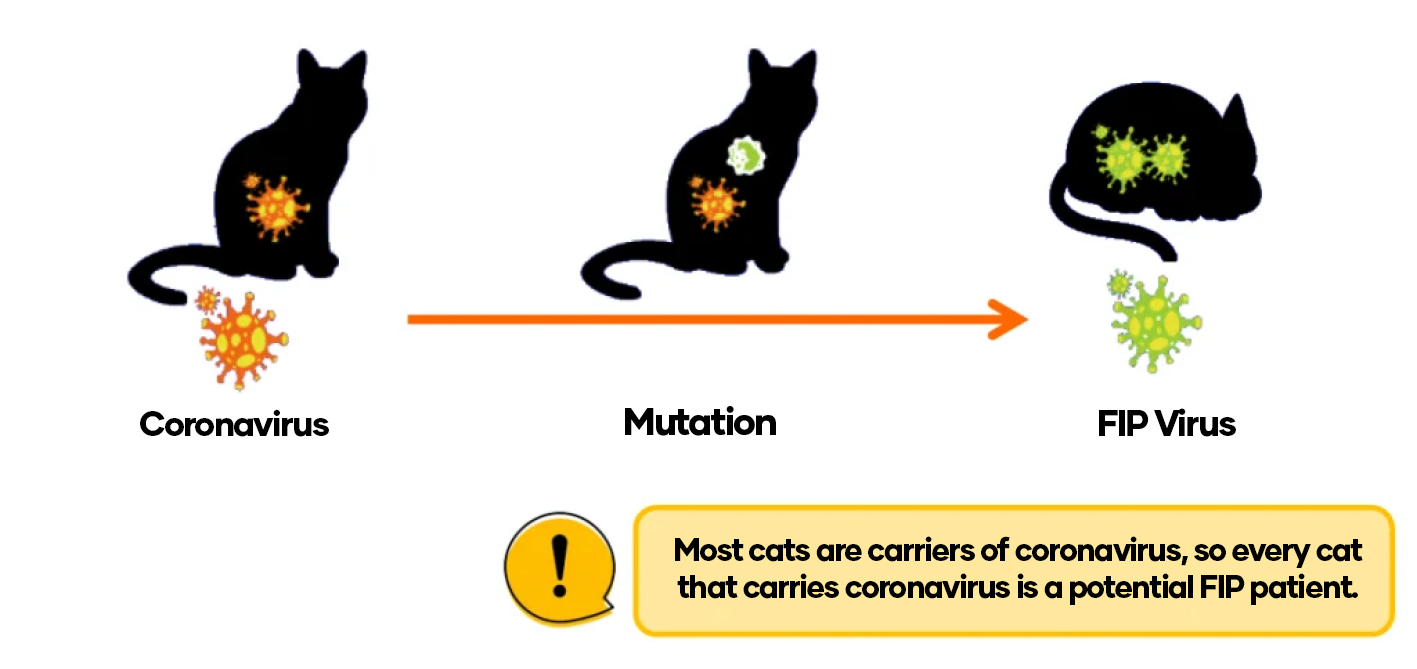
FIP disease, known as Feline Infectious Peritonitis, is a fatal disease that affects the immune system of cats. Most cats carry coronavirus, which is contagious but not fatal. For any reason, such as weakened immunity, stress, or surgery, coronavirus (FCoV) mutates into the fatal FIP virus. This mutant virus is known as feline infectious peritonitis virus (FIPV) and is found in the gastrointestinal tissues at the onset of the disease.
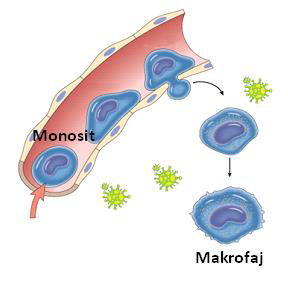
The cat's immune system goes on the defense against the virus. Monocyte cells, a type of white blood cell, differentiate into macrophages. Macrophages act as giant cells that engulf viruses (and other microbes entering the body), forming the body's first line of defense. Macrophages pass from the blood vessels into the tissues where the viruses are located to engulf them.
The FIP virus attaches to the surface of macrophages arriving at the gastrointestinal wall cells, enters the macrophage cell, and infects it. Macrophages infected with the FIP virus then travel to other areas within the abdominal and chest cavities, internal organs, kidneys, lungs, liver, heart, nervous system, eyes, and brain, carrying the virus to different parts of the body.
As a defense response of the body, the permeability of blood vessels increases and they dilate. If this persists, the blood vessels become inflamed, and inflammation occurs in the vessels. Damage to blood vessels negatively affects blood circulation. Blood vessels cannot sufficiently supply tissues and internal organs with oxygen, and tissues and organs deprived of oxygen are damaged. Blood plasma (a protein-rich yellow fluid) leaks from the vessel walls. In the wet (effusive) form of FIP, this fluid usually begins to accumulate in the abdomen. In some cats, fluid also accumulates in the chest cavity.
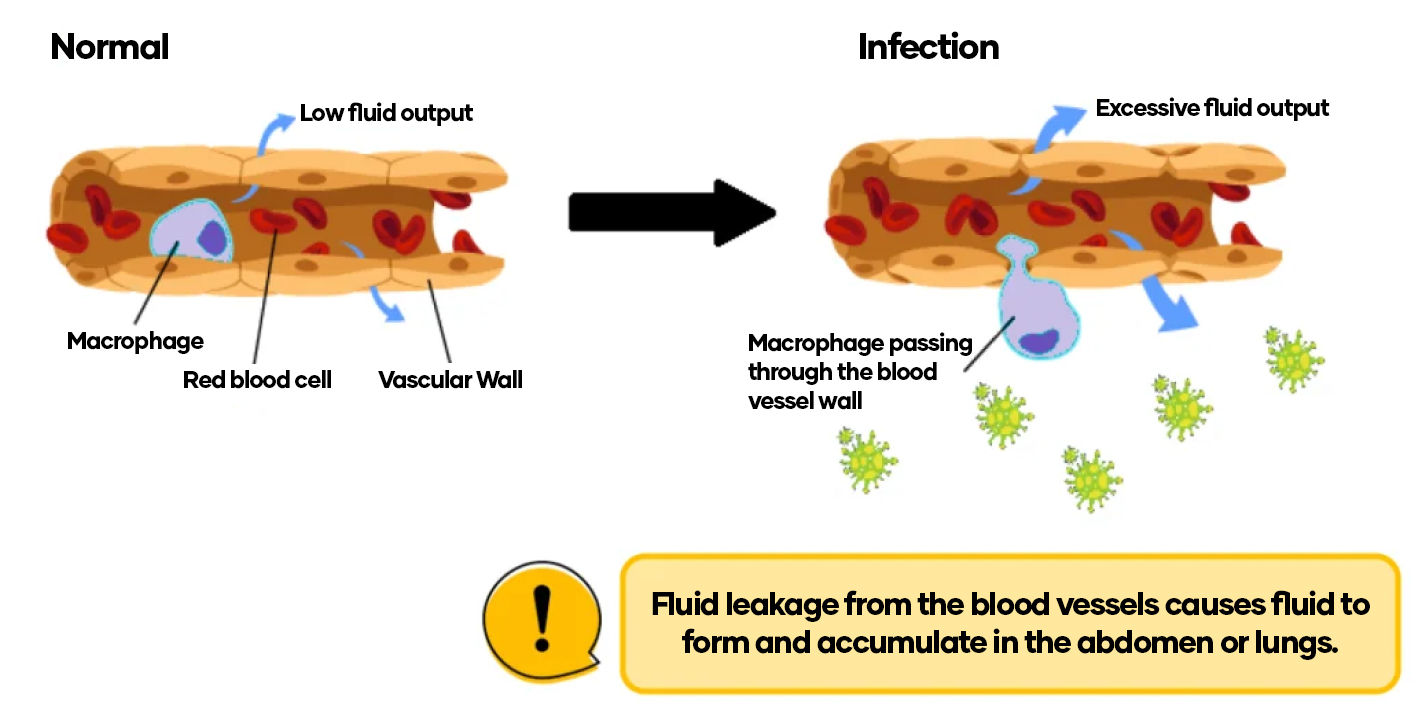
Alarmed macrophages also begin to pile up in the infected area from the vessel walls. In this case, tissue deterioration called granulomas occurs in the tissues. It is these deteriorations that cause internal organ damage in cats with FIP. Therefore, immune stimulants are not used in cats with FIP as they activate macrophages.
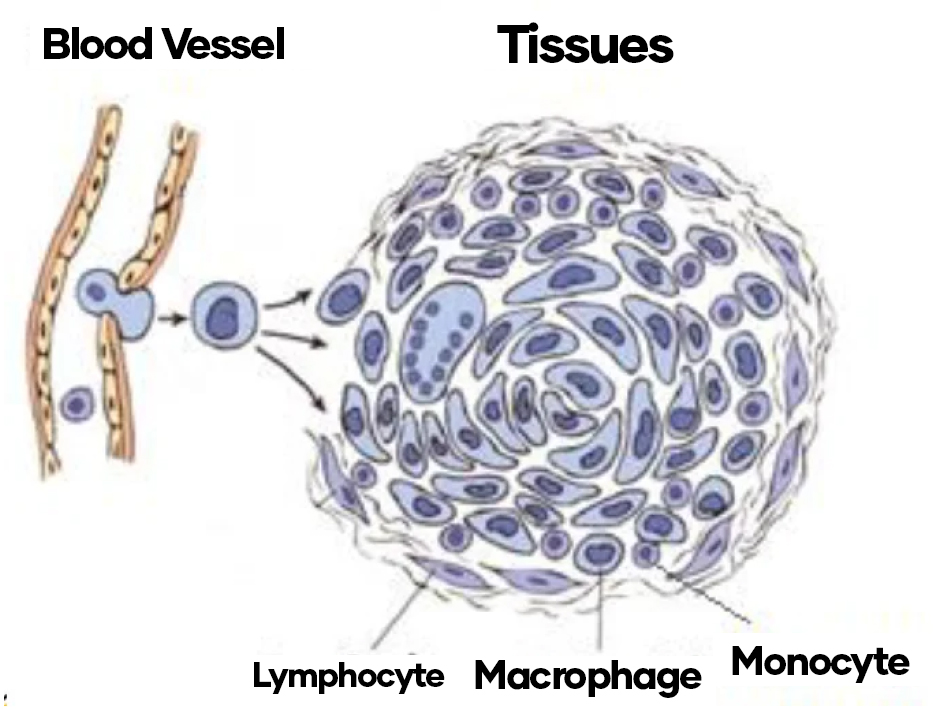
The ability of immune cells to circulate between blood, lymph, and tissues and settle in necessary areas is important in defending the body. The virus is first recognized by macrophages in the intestine and is transported through the lymphatic pathway to regional lymph nodes, and the immune response begins in both the intestine and the associated lymph node. While macrophages travel to other parts of the body, they collect a large number of immune cells (macrophages, neutrophils, lymphocytes, and monocytes) and transport them from the bloodstream to the areas of infection. This causes inflammation and the release of chemical signals called cytokines and chemokines at higher concentrations. Due to this activation of immune cells, normal macrophages transform into granuloma-causing macrophages, leading to inflammation-driven macrophage-dominant lesions. These lesions cause fatal organ disorders and Multiple Organ Failure.
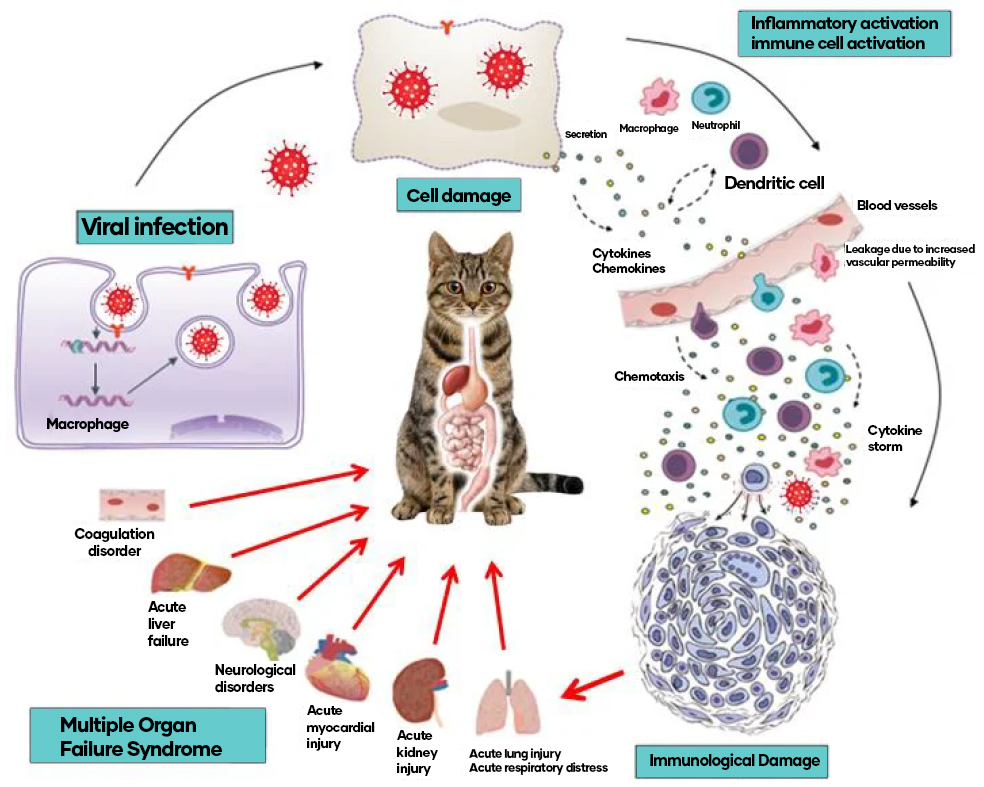
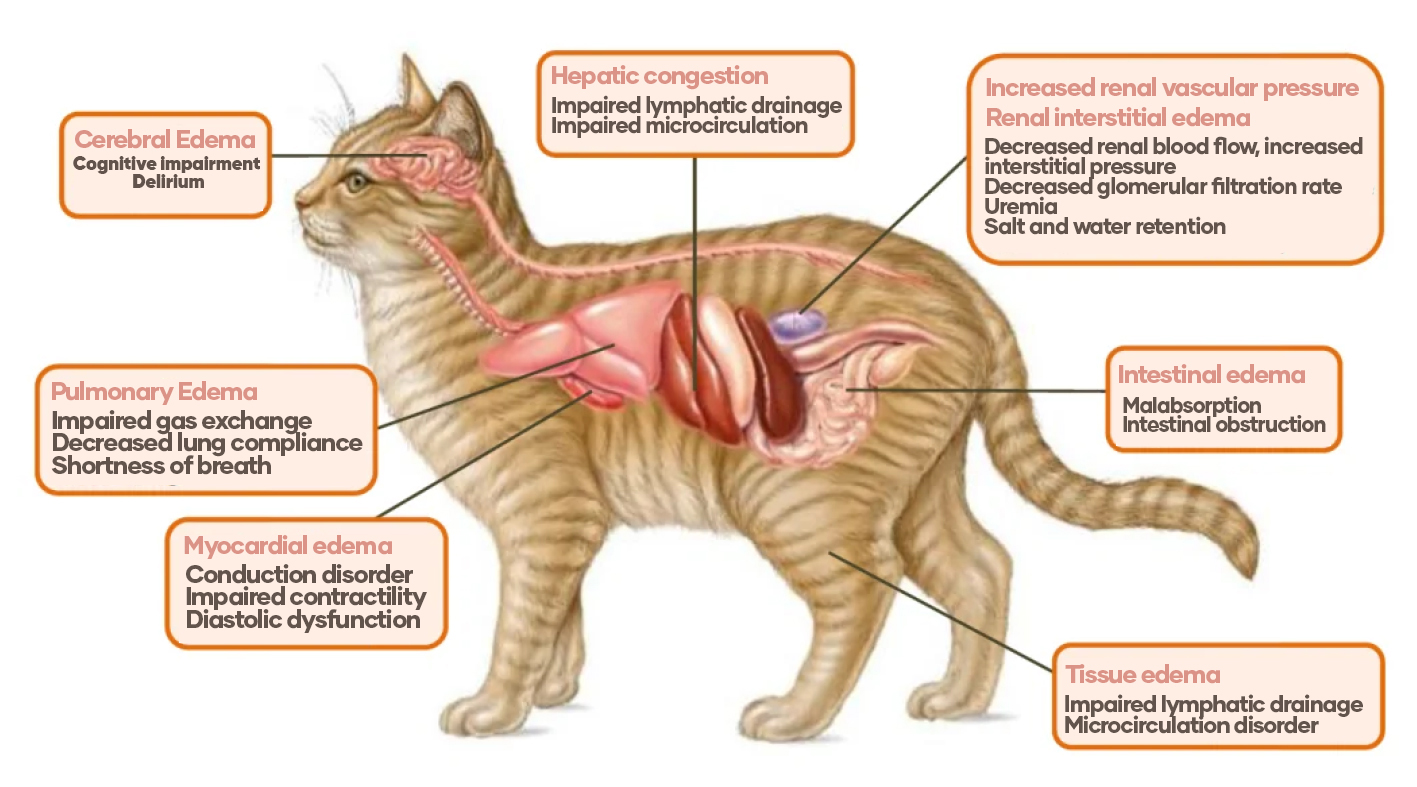
In the areas infected by the virus, the body responds with inflammation. When a disruption occurs in the vessels or lymphatic drainage system due to this inflammation, fluids in the vessel or lymph system leak into the surrounding tissues and begin to form edema. Edema may develop or fluid may accumulate in the legs, abdomen, lungs, and other tissues during the course of clinical conditions such as heart failure, liver failure, venous insufficiency, and nephrotic syndrome developed due to FIP disease.